
"I'm Not Photogenic:" The Truth About Looking Great in Photos (Even If You Think You Won't)
You have probably said it out loud at some point. Maybe to a friend holding up a phone, maybe to yourself while deleting yet another photo you did not like. "I'm just not photogenic."
If that sounds familiar, you are in very good company. It is one of the most common things women say about themselves, and it keeps so many talented business owners hiding from the exact thing that would help their business grow: being seen. You avoid the camera, you untag yourself, you send someone else to represent your brand, or you keep reusing the same one photo from four years ago that you have decided is the good one.
Here is what I want you to know before we go any further. Being photogenic is not a gift some people are born with and others are not. Feeling like you are not photogenic almost always comes down to a few fixable things: unflattering lighting, no direction, an awkward angle, and the simple discomfort of not knowing what to do with your face and hands. Change those, and almost anyone can look and feel wonderful in photos.
Let's talk about why you feel this way, why it is not actually true, and what genuinely makes the difference.
Where the "I'm Not Photogenic" Belief Comes From
Think about the photos that made you decide you are not photogenic. Be honest about the conditions they were taken in.
Were they harsh overhead lights at an event? A phone held below your chin at an unflattering angle? A candid someone snapped mid-sentence when you did not know it was happening? A fluorescent-lit ID photo taken by a stranger who told you to look at a dot on the wall? The passenger-seat selfie in bright midday sun?
Almost every photo that made you cringe was taken in poor conditions, with no direction, in a moment you were not ready for. That is not evidence that you are not photogenic. That is evidence that bad lighting and bad angles make everyone look less like themselves.
We rarely stop to notice this. Instead, we look at a bad photo and conclude something permanent about our face, rather than something temporary about the situation. The belief sticks, and then it quietly shapes every decision we make about being seen, including whether we ever put ourselves forward at all.
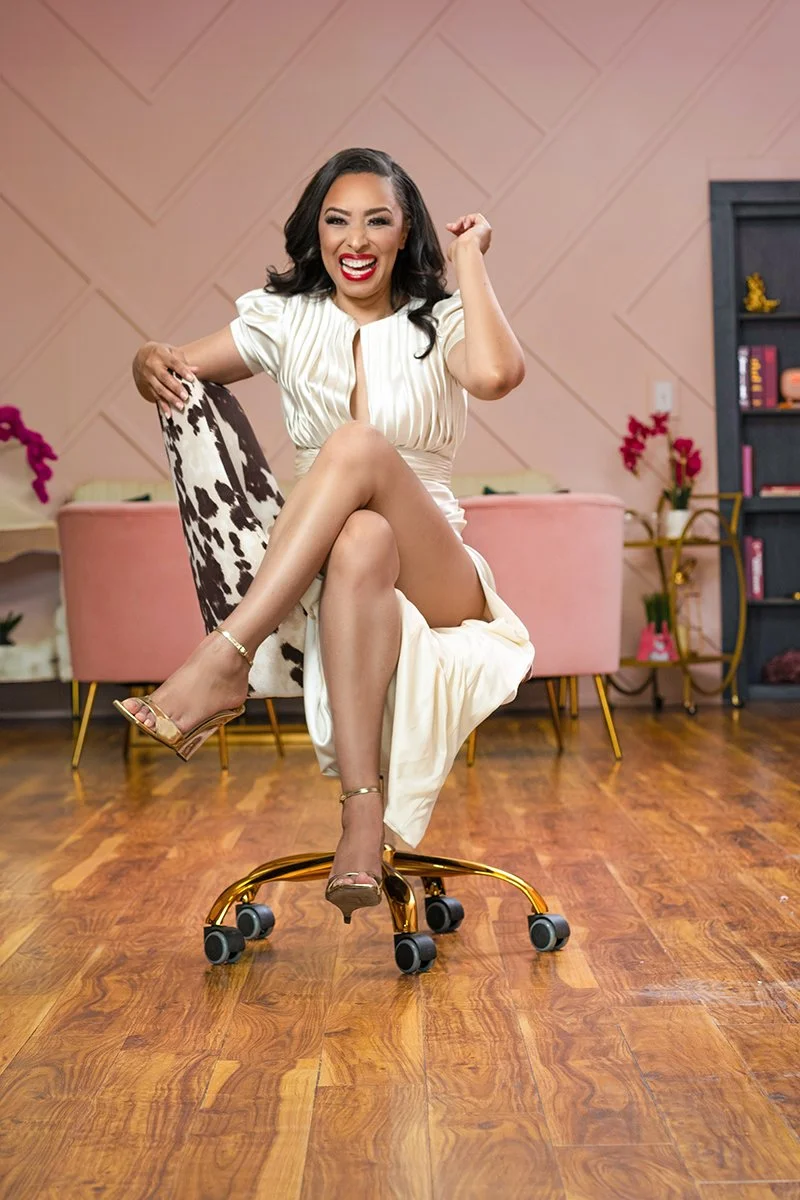
The Truth: Photogenic Is a Setup, Not a Gift
Here is the reframe that changes everything. Photogenic is not a fixed trait. It is a result.
The people you think of as effortlessly photogenic are usually just more comfortable in front of a camera, more practiced at it, or more often photographed under good conditions. Put a so-called photogenic person under fluorescent office lights with a phone held too low, and they will look awkward too. Put someone who has always believed she is not photogenic in beautiful light, with a photographer who knows how to guide her, and something remarkable happens. She looks like the best version of herself, often for the first time in years. You can see exactly that in the current issue, where women who never expected to love a photo of themselves are seen at their best.
That is not a trick, and it is not heavy editing. It is simply what happens when the conditions finally match the person. You have not been un-photogenic. You have been under-supported.
Why You Don't Like Photos of Yourself
There is also some real psychology behind why photos of ourselves can feel so jarring, and understanding it takes away some of its power.
First, you are used to seeing yourself in the mirror, which is a flipped, reversed image. A photograph shows you the way the rest of the world actually sees you, which is subtly different from the face you know. Your brain notices the difference even when it cannot name it, and it registers as "that does not look like me." This is a well-documented psychological pattern. As Psychology Today explains, we tend to prefer the mirror version of our own face simply because it is the one we see most often, an idea researchers call the mere-exposure effect.
Second, a photo freezes a single instant out of a constantly moving face. In real life, people see you in motion, animated and expressive. A still frame can catch an in-between moment your brain would never have paused on, and then you judge your whole appearance based on one hundredth of a second.
Third, we are simply harder on ourselves than on anyone else. You scan a photo of yourself hunting for flaws. You look at a photo of a friend and see the whole person you love. The difference is not the photo. It is the eyes looking at it.
None of this means your face is the problem. It means the way we experience photos of ourselves is naturally skewed, and knowing that helps you stop treating one unflattering image as the truth about how you look.
The Four Things That Actually Make You Look Great in Photos
So if it is not about being born photogenic, what actually makes the difference? Four things, and none of them require you to change a single thing about how you look.
1. Lighting Does More Than Almost Anything Else
Lighting is the single most powerful factor in a photograph, and it is almost entirely within a photographer's control. Good lighting shapes your features gently, brings warmth to your skin, adds life to your eyes, and softens the harshness that overhead or fluorescent light creates.
This is a huge part of why studio photography with intentional, directional lighting produces such different results than a quick phone snapshot. The light is designed around you, not fighting against you. When people see professional images of themselves for the first time, the thing they often cannot quite name is simply that they have never been lit well before.
2. Posing Is Direction, Not Performance
Most people freeze in front of a camera because they have no idea what to do with their body. Where do the hands go? Is this a normal way to stand? Am I supposed to smile now, and for how long?
Here is the relief. You are not supposed to know. Posing is not something you perform. It is something a good photographer directs, one small adjustment at a time. Chin slightly forward and down. Weight on your back foot. Shoulders turned a touch. These tiny cues, which you would never think of on your own, are what transform a stiff snapshot into a natural, flattering image. You do not need to arrive knowing how to pose. You need someone who knows how to guide you through it.
3. Confidence Comes From Feeling Safe, Not From Being Fearless
We tend to think confident people just walk in unafraid. In reality, confidence in front of a camera comes from feeling safe, supported, and unhurried.
When you trust the person behind the camera, when you are not being rushed, when someone is reassuring you and showing you that it is going well, your shoulders drop, your face softens, and your real expression comes through. That is where the best images happen. Confidence is not a personality trait you are missing. It is a feeling the right environment creates in you.
4. The Right Photographer Changes Everything
This is the one that ties the other three together. A skilled photographer manages your lighting, directs your posing, and creates the sense of safety that lets your confidence show. They also know how to read you, adjust in real time, and draw out the version of you that feels most like yourself.
The difference between "I hate every photo of me" and "I cannot believe that is me" is very often not the person in the photo. It is who was holding the camera and how they made her feel. When women who have always dreaded photos work with a photographer who truly guides them, the fear tends to dissolve somewhere in the first few minutes, and what is left is genuine enjoyment.
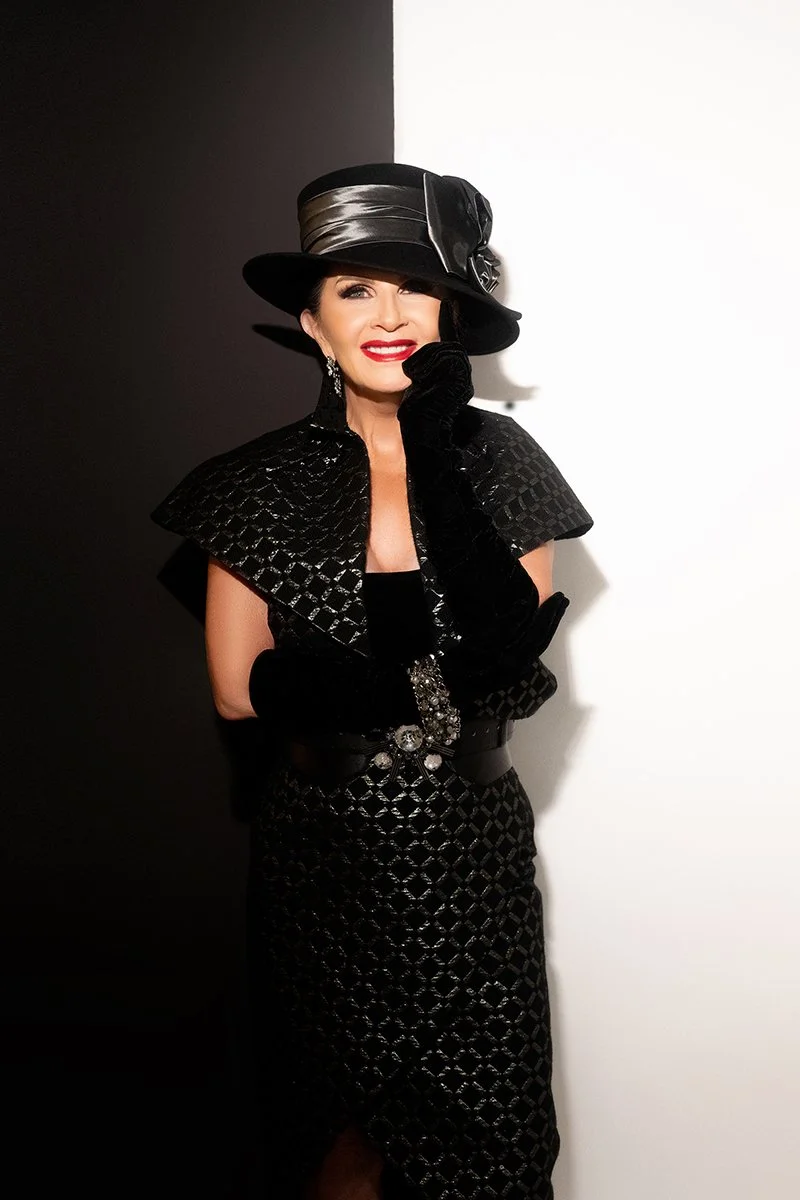
Simple Things You Can Do to Feel More Comfortable
It also helps to remember that people notice far less than you fear. Research on the spotlight effect shows we consistently overestimate how much others scrutinize our appearance. While the biggest factors are in your photographer's hands, a few things on your side make a real difference:
Wear something you already feel great in.
Comfort in your clothing translates directly to comfort in your expression.
Practice in the mirror, briefly.
Not to perform, but to notice which angles and expressions feel like you. A little familiarity reduces the deer-in-headlights feeling.
Move between shots.
Shake out your hands, roll your shoulders, take a breath. Stillness creates tension, and movement releases it.
Breathe and slow down.
Most awkwardness comes from rushing. A slow exhale right before a shot relaxes your face more than any pose can.
Tell your photographer how you feel.
Let them know you are nervous or that you have never liked photos of yourself. A good one will take that as a cue to guide you more, not less.
Choose a photographer who directs.
This is the most important one. If the idea of being told what to do with your hands sounds like a relief rather than a pressure, you are looking for the right kind of photographer.
How the Right Experience Removes the Fear
At Jaqueline Andrea Productions, a huge number of the women who walk in have said some version of "I'm not photogenic" or "I always hate photos of myself." Helping those exact women see themselves differently is one of the most rewarding parts of what we do.
Every session is shot in studio with intentional, dramatic lighting designed to flatter, and every woman is guided through posing and expression step by step, so you never have to figure it out alone. The goal is not to turn you into someone else. It is to create the conditions where the confident, capable woman you already are can finally come through in an image.
You can see this across She Means Business Magazine, where women of every age, industry, and personality are captured looking relaxed, natural, and exactly as they deserve to be.
If you have been letting "I'm not photogenic" keep you out of your own brand, this might be the belief worth setting down.

Frequently Asked Questions
Is being photogenic a real thing?
Not in the way most people think. Feeling not photogenic usually comes down to poor lighting, unflattering angles, and a lack of direction, not your actual appearance. With good lighting, gentle posing, and the right photographer, almost anyone looks great in photos.
Why do I look bad in photos but fine in the mirror?
The mirror shows you a flipped, familiar version of your face, while a photo shows how others see you and freezes a single moment. That difference, combined with how critically we tend to view ourselves, makes photos feel less flattering than they really are.
How can I look better in photos if I'm not photogenic?
Focus on good lighting, work with a photographer who directs your posing, wear something you feel great in, and give yourself permission to relax. These conditions matter far more than any natural trait.
What should I do if I feel awkward in front of the camera?
Tell your photographer you feel nervous, keep moving between shots, breathe slowly, and choose someone who guides you rather than leaving you to pose yourself. Awkwardness almost always comes from a lack of direction, not from you.
Can a photographer really make me look good?
Yes. A skilled photographer controls the lighting, directs your posing, and creates a comfortable environment that lets your natural confidence show. This combination is what makes the biggest difference in how you look and feel.
How do I relax during a photoshoot?
Come in wearing something comfortable, talk openly with your photographer about your nerves, move and breathe between shots, and trust the process. Feeling safe and unhurried is what allows your real expression to come through.
Ready to See Yourself Differently?
You are not un-photogenic. You have simply never been given the lighting, the direction, and the support that let you shine. Almost every woman who believed she could not look great in photos was wrong, and she found out the moment the conditions were finally right.
You deserve images that look like the best of you, not the ones you keep deleting. Let’s chat and throw around some ideas!